Introducing Labs
There's so much to talk about that we need a better home for it — quarterly issues, clear lanes, and a place to look back without drowning in the archive.
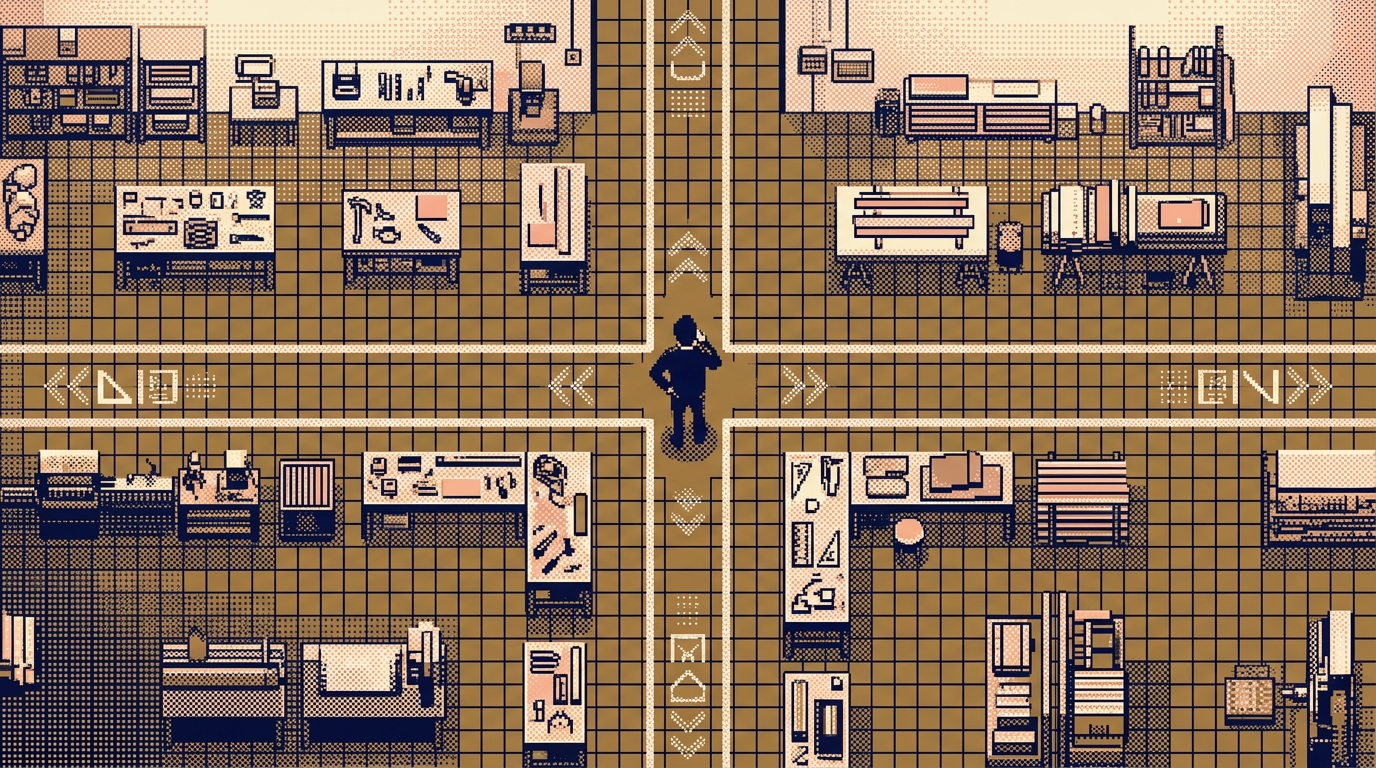
Universe Man, Universe Man
Size of the entire universe, man
Usually kind to smaller man
Universe Man
He’s got a watch with a minute hand
Millennium hand and an eon hand
And when they meet it’s a happy land
Powerful man, Universe Man
How much is 18 months in AI time? A millennium, at least. So it’s time to rejigger some things.
We’re launching labs.thefocus.ai as the home for everything we publish. The past is sorted into quarterly issues so we can look back without drowning in the archive. Subscribe if you want updates — we’re aiming for two meaty posts a week out of the work we’re actually doing: client stuff, side research, what techniques hold up, which local models are worth the disk space, and how to get past the default frontier-lab playbook.
Posts file into a few departments. Themes show up as we write. At the end of each quarter we wrap the issue and write a short retrospective.
| Lane | What it’s for | Start here |
|---|---|---|
| How AI | Quarterly operational snapshot | How AI in May 2026 |
| The Harness | Day-to-day agent practice | The Agent Habitat, Neural Harness |
| Workshop | Things to try — recipes, procedures | Recipes, e.g. Repomix |
| Field Notes | Conferences, shootouts, timely reports | World’s Fair, Miami Report |
| Drive | Evals and evidence | The Car Wash Test |
| Org Age | Teams and maturity | Laddering Up… |
| Model Watch | What we think about models | How I Classify Models |
| Essay | Longer-shelf writing | Sraffa’s Gesture |
We’ve also been writing The Org Age of AI with Ksenia over at The Turing Post. That series is winding down; it’s been a good excuse to get into the weeds. Subscribe to her newsletter — solid, no-nonsense coverage.
What the last eighteen months were for
Labs started as sketches — can these tools actually make things? — and turned into named quarterly issues, each with its own look. The back issues are here; short version of each:
№ 1 — Sketches · 2024-Q4
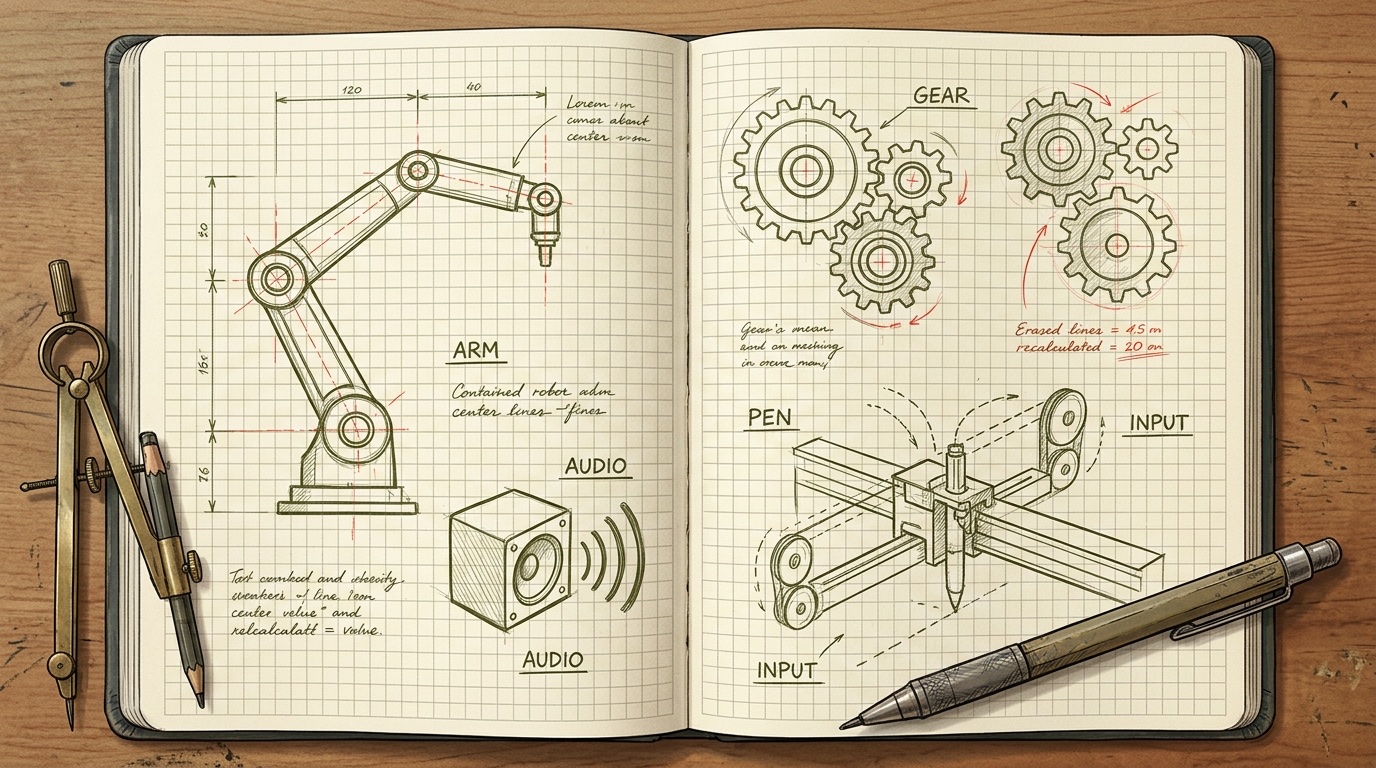
First proper Focus run. Chrome extensions, Figma slices, local models, and the question of what generative tools do to hard creative work. Quick studies to see what sticks.
№ 2 — Blueprints · 2025-Q1
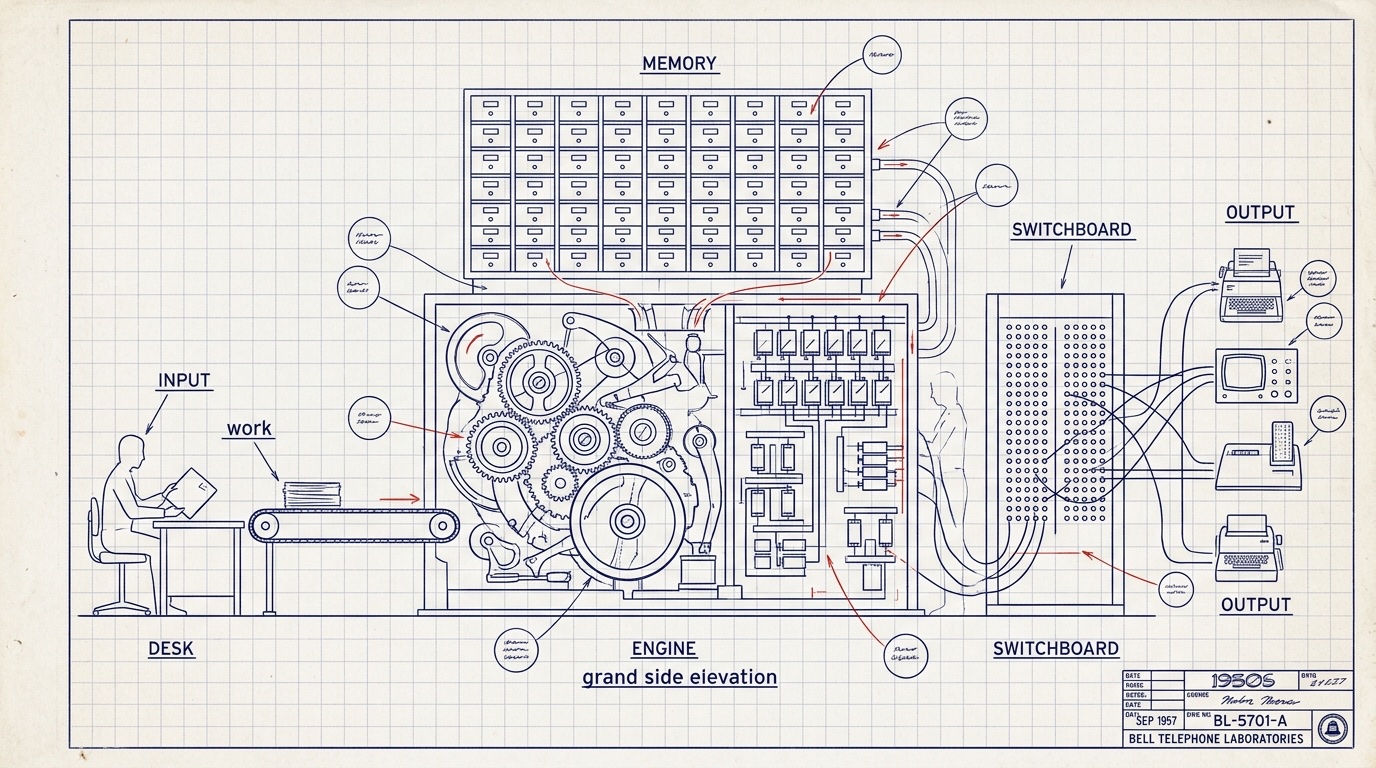
Experiments turned into architecture: MCP, project rules, structured output. Less “can the model do it,” more where memory and tools live once chat isn’t the product. Claude Code showed up; first framework essays followed.
№ 3 — Field Trials · 2025-Q2
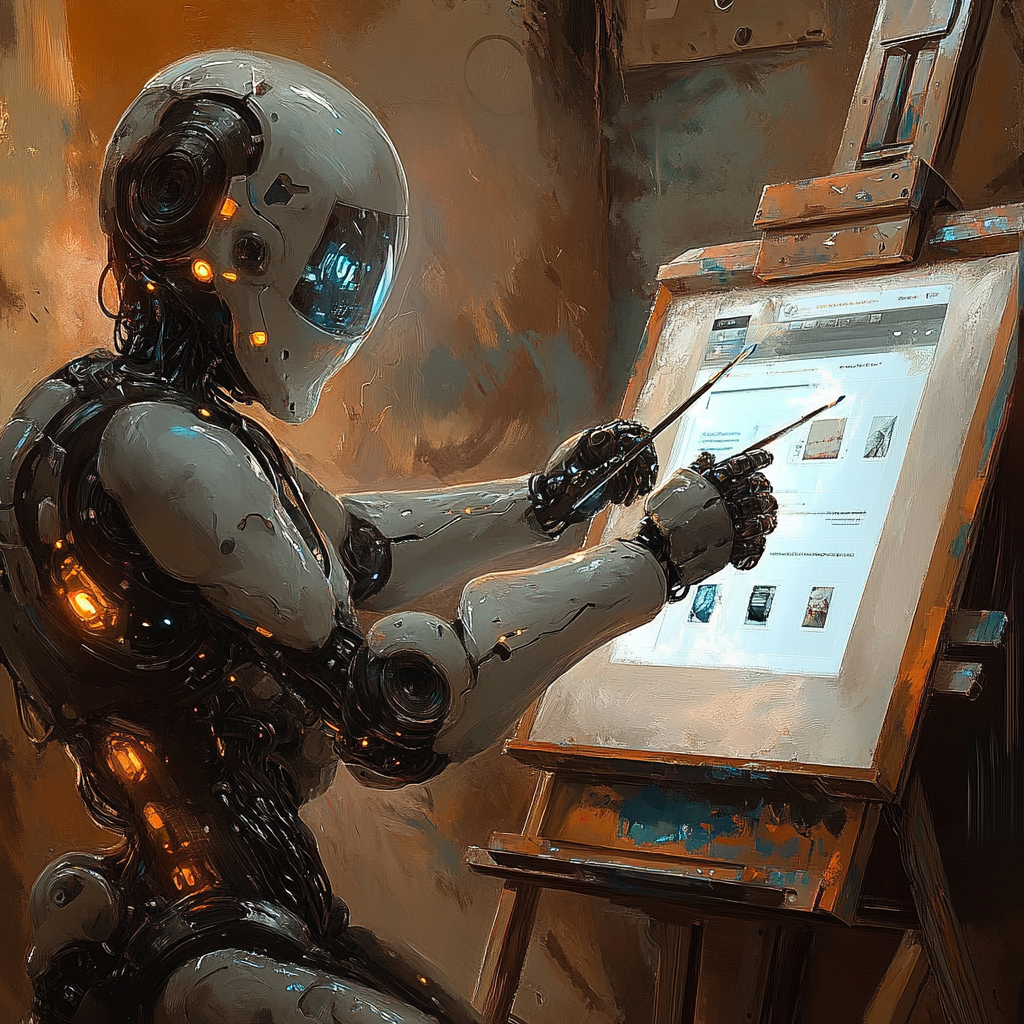
Coding agents became a category, so we raced them. Fifteen tools head-to-head, phone-only feature work, Microsoft Build. Lesson that stuck: raw model strength is table stakes; workflow and harness decide the winner.
№ 4 — The Console · 2025-Q3
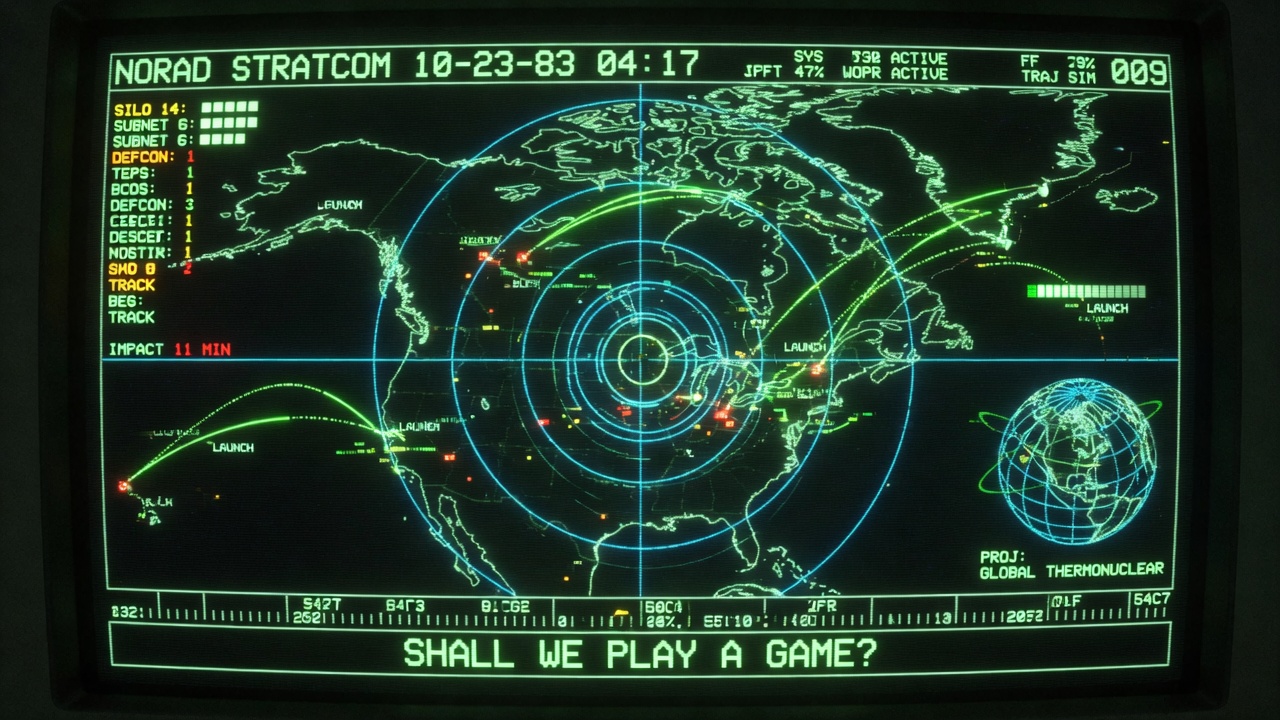
Work moved into the terminal. Claude Code in emacs, local models writing real code, and a flipped take on technical debt — if agents can read and refactor, code gets cheaper to throw away.
№ 5 — Instruments · 2025-Q4
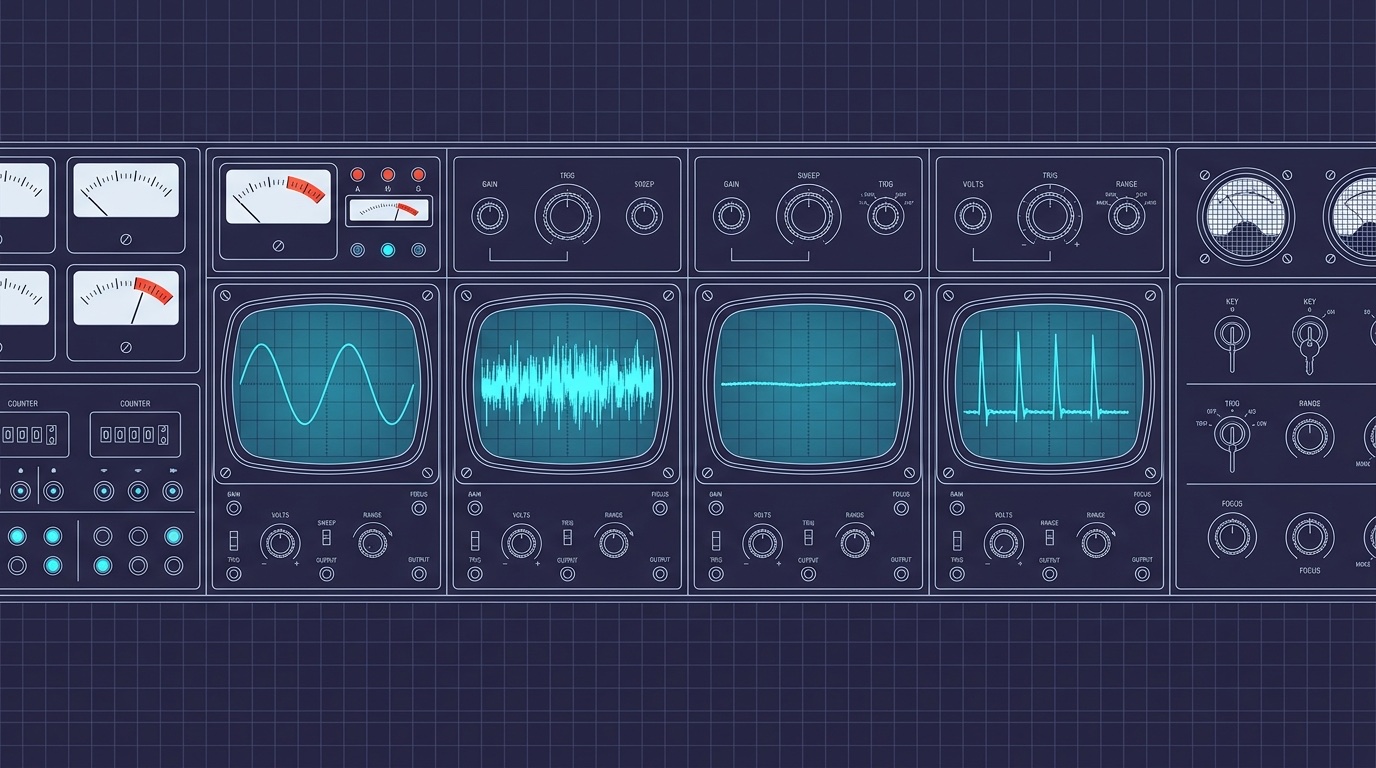
Short issue. The demos all work, so the question becomes: how do you know? Summit notes, failures in messy repos, sycophancy as a gauge.
№ 6 — Proofs · 2026-Q1
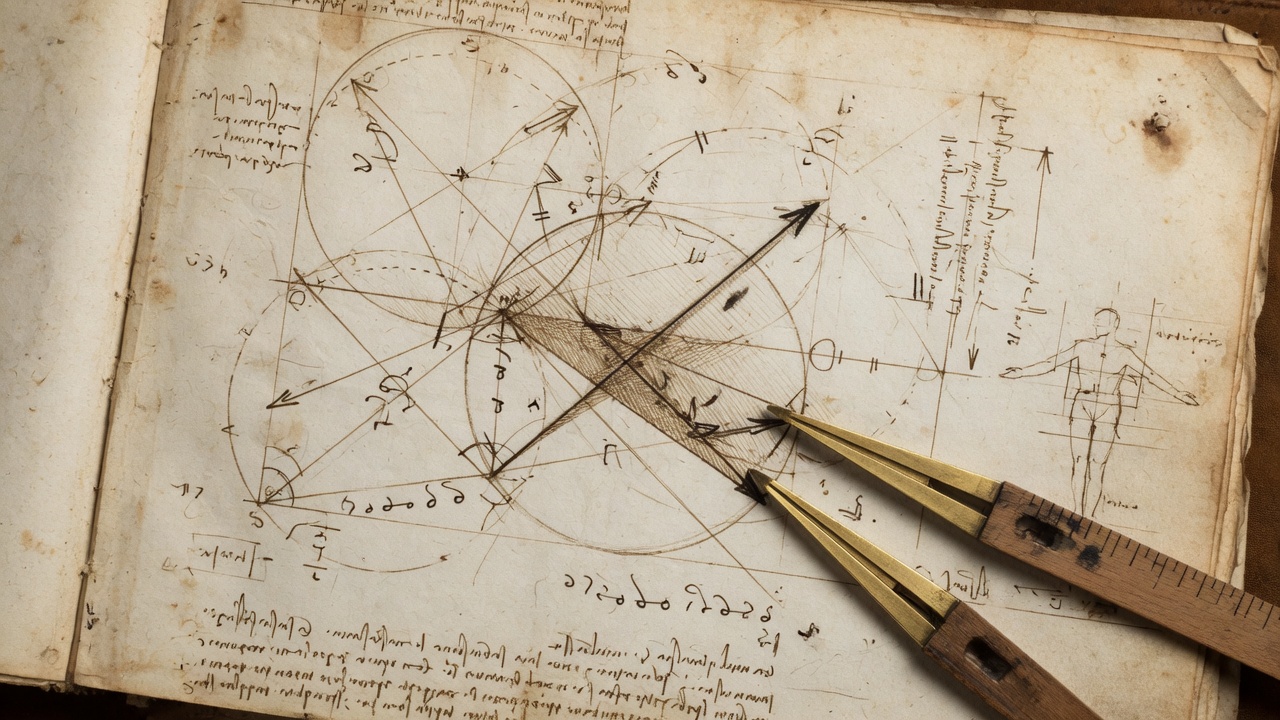
Measurement as the honesty check. Car Wash Test, MCP tool evals, same weights across providers, plus the habitat and flywheel posts for where agents actually live.
№ 7 — Dispatches · 2026-Q2
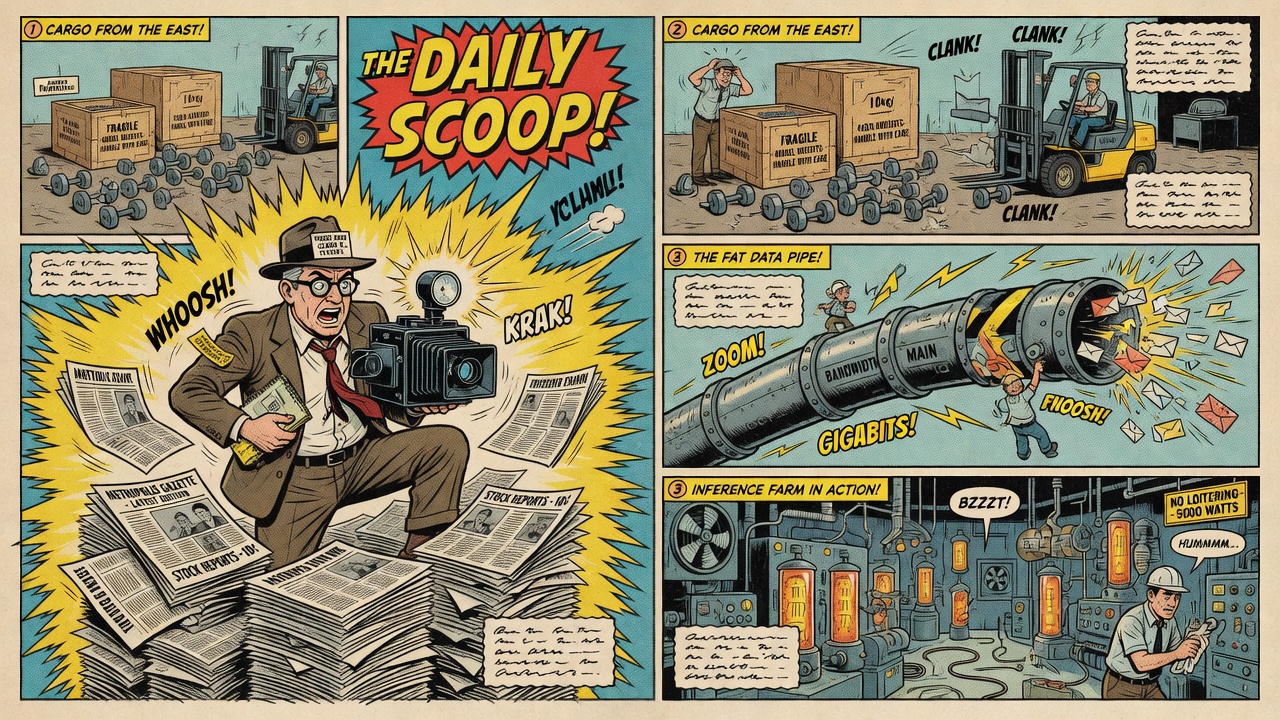
Filed from Miami and after: three populations learning agency at once, the maturity ladder’s missing middle rungs, Neural Harness arguing the harness is the compiler. The ollama run that started in 2024 ended in llama.cpp.
№ 8 — Crosstalk · 2026-Q3 (open)
This issue. World’s Fair as the bridge in. Same claim from a lot of stages: the model isn’t the bottleneck anymore — harness, context, and attention are. Agents talk to agents; you’re the switchboard.
A few things kept showing up across seasons:
- The model stopped being the bottleneck. Cheap capability. Outcomes come from the harness — context, tools, memory, evals, attention. Same Weights, Different Results, Neural Harness, and half the World’s Fair said versions of this.
- Agents need somewhere to live. Not a chat tab — state, memory, bounded decisions you can inspect. The Agent Habitat, Data Flywheel.
- Measure, or you’re guessing. Leaderboards lie. Simple gotchas don’t. Car Wash Test, June 2025 coding agents, You’re absolutely right.
- Orgs fail in the middle. Chatboxes are easy; autonomy fantasies are easy; the ladder between them is the work. Laddering Up…, Miami Report.
- Protocols beat one-off glue. MCP, files,
llms.txt— once tools are addressable, agents can compose them. Exposing Services with MCP was early; the World’s Fair said it louder.
The How AI posts stay the quarterly spine: what we actually use, what the harness looks like, what changed.
Quarters and lanes
Quarters are the issues. When one closes we bind it — theme, findings, retrospective — and open the next. Full rack: /quarters/.
Lanes are how posts get filed inside an issue. The table above is the map. Where does a post live? This quarter, in one of those lanes.
Cadence from here
We’ve got a stack lined up — World’s Fair deep dives, skills work, workshop pieces, the next How AI. Plan is twice a week into the open issue.
Subscribe here for email. Use the site for the magazine, back issues, and lanes.
World’s Fair posts are already up. This is the reset. Next: ship on purpose.