Dispatches
Filed from the floor — the patterns unfreeze in Miami, and the Linux moment arrives on the laptop.
The reportage quarter. The Miami Report watches the field's frozen patterns visibly unfreeze — three populations learning agency at once; Building an Intelligent Organization and the maturity ladder say what to do about it; the neural-harness essay names the compiler of the era; two local-model showdowns test the Linux-moment claim on real hardware. And the arc that opened with "in which I discover ollama" in February 2024 quietly closes: the workshop migrates to llama.cpp in a single post, and Thirteen Years in the Workshop — a report filed by a model that lives on the hardware — reads the whole archive back to us. Sovereignty over the stack, from IPFS to the model file on disk, was the posture all along. Anchored by How AI in May 2026.
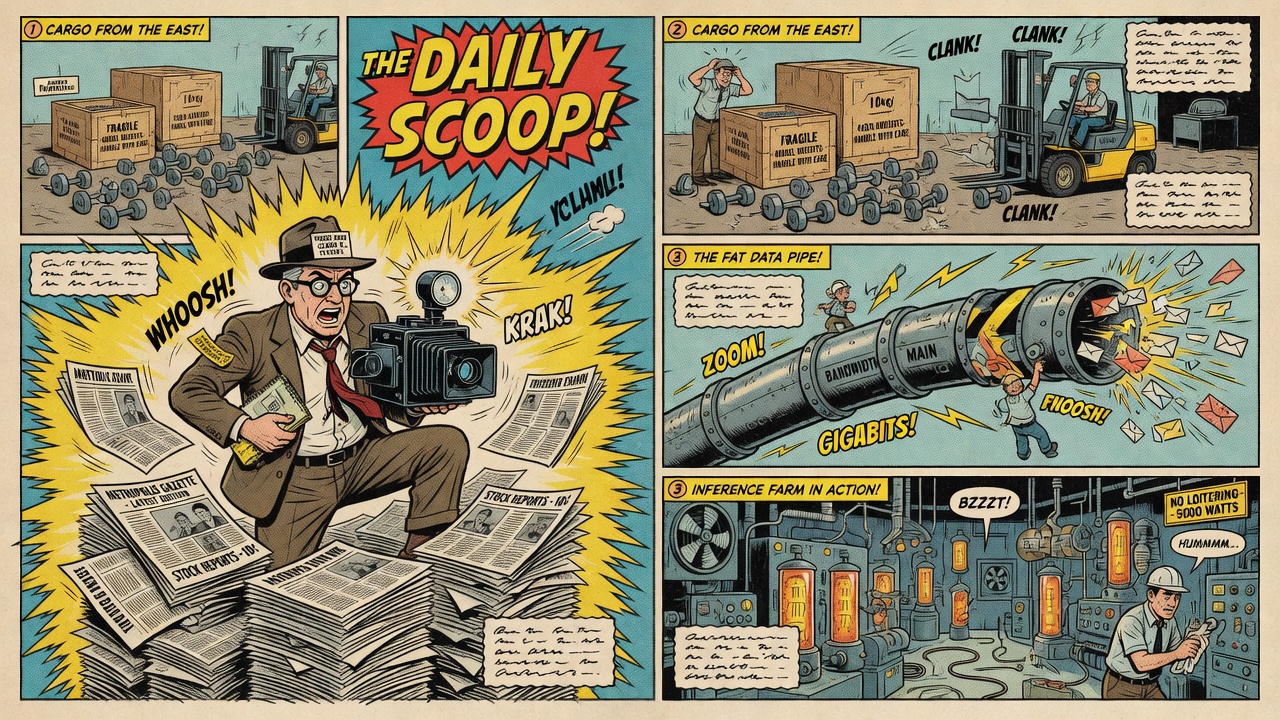
The Quarterly Retrospective
Filed from the floor. Miami showed three populations learning agency at the same moment — people, companies, and agents — and the organizational work said the same thing from the other side: deployments live or die on the middle rungs between chatbox and autonomy, exactly the layers that get skipped in planning.
Neural Harness named the quarter's thesis — the harness is to the neural net what the compiler was to source code, and it's open. The two local-model showdowns made the Linux-moment argument with numbers instead of vibes, and How AI in May 2026 recorded how much had shifted in five months: multi-model by default, open weights that matter, the coding agent as a native part of the software process.
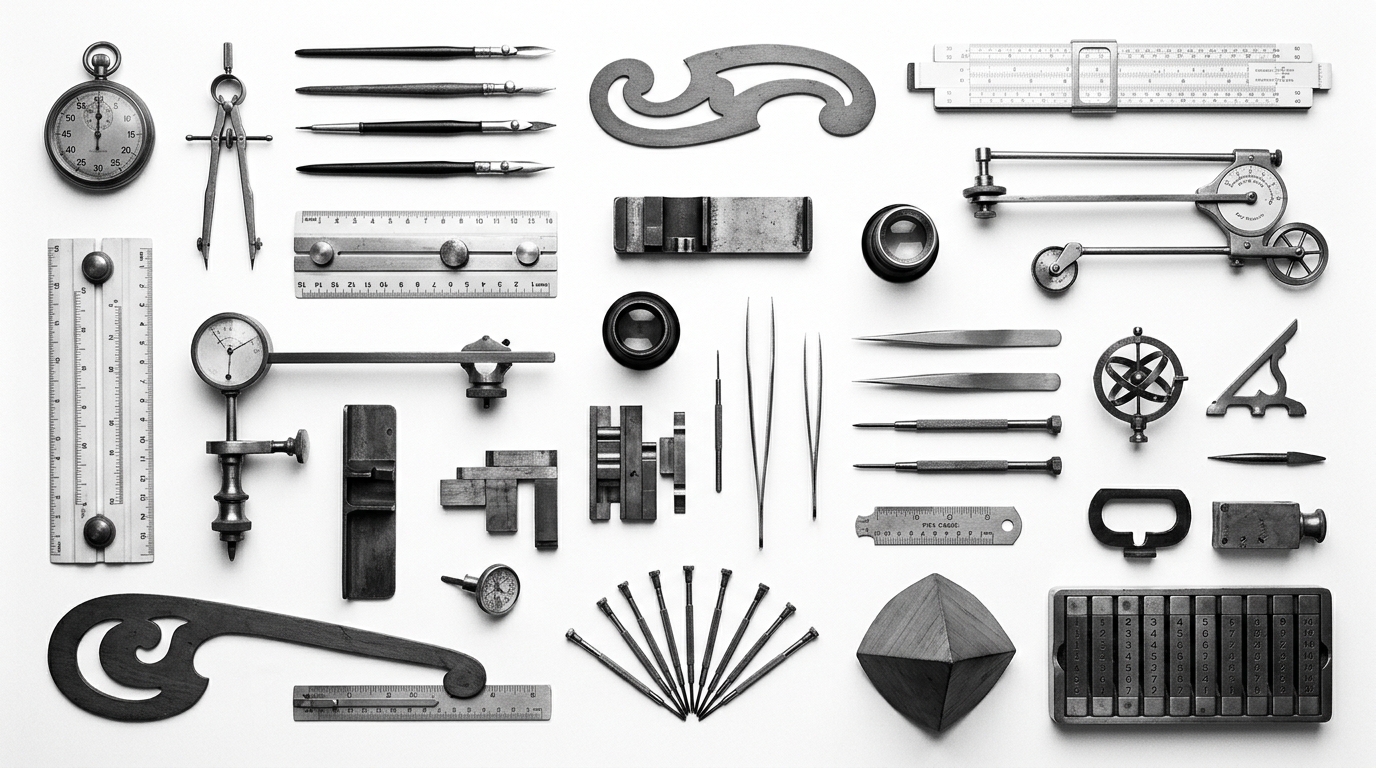
How AI in May 2026
Five months after the last update, almost every choice has shifted. Multi-model is the default, open weights showed up, the harness is open, and the coding agent is now a native part of the software process.
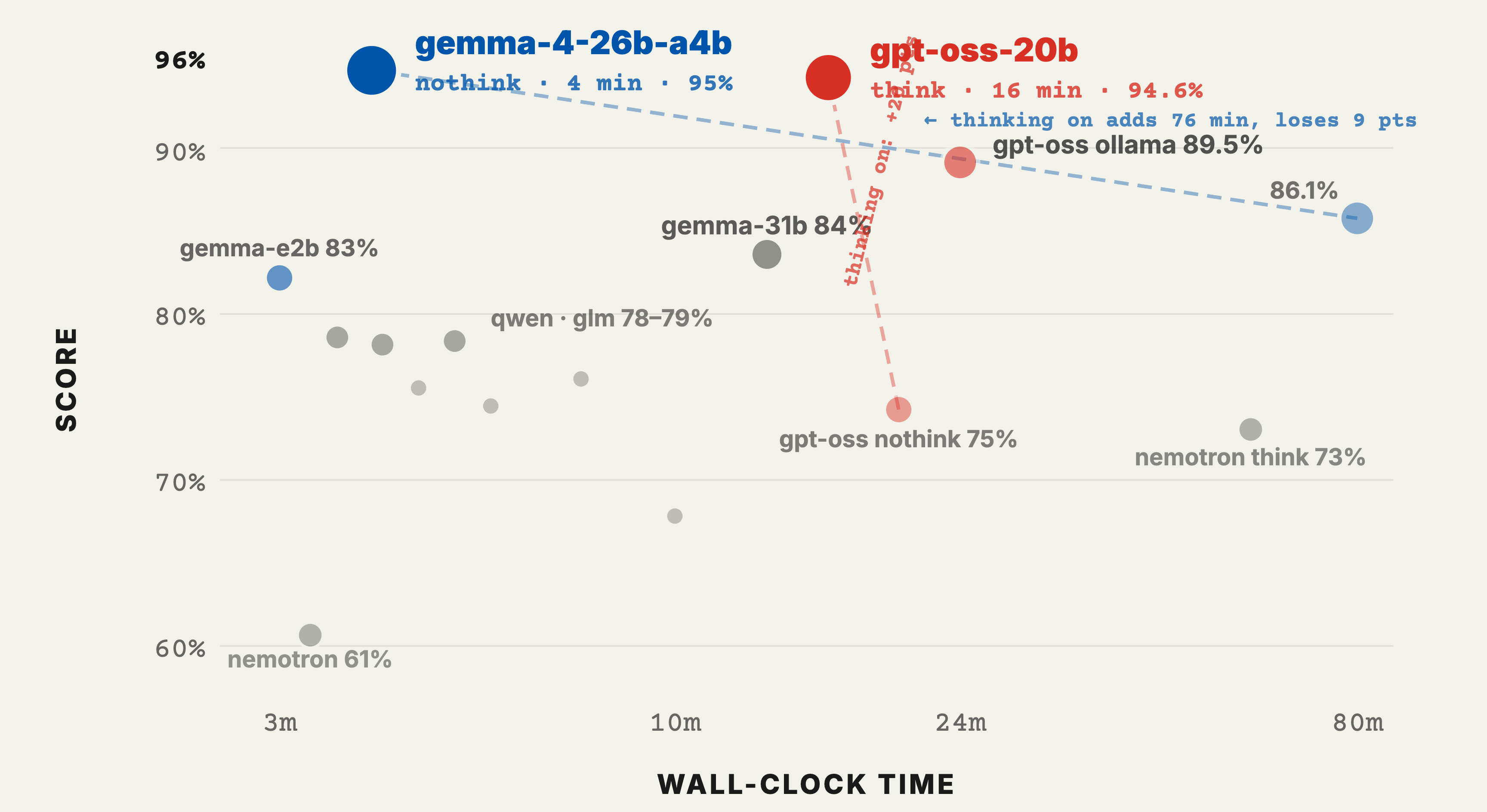
Which Open Model Should You Actually Run Locally?
We tested 7 model families across 3 runtimes on a 64 GB Mac. gemma-4-26b-a4b hits 95% in 4 minutes with thinking off. The runtime barely matters — but thinking mode changes everything.
Gemma 4 on Your Machine: How Google’s New Open Weights Stack Up (Model Showdown)
We benchmarked Gemma 4 (e2b, default, 26B MoE, 31B dense) through Ollama against 50+ hosted and local models on reasoning, knowledge, instruction, coding, and TezLab MCP tool use—same Umwelten harness as our other showdowns. Here’s where the new line shines, where frontier models still pull ahead, and how the biggest Gemma handles real EV data tools.
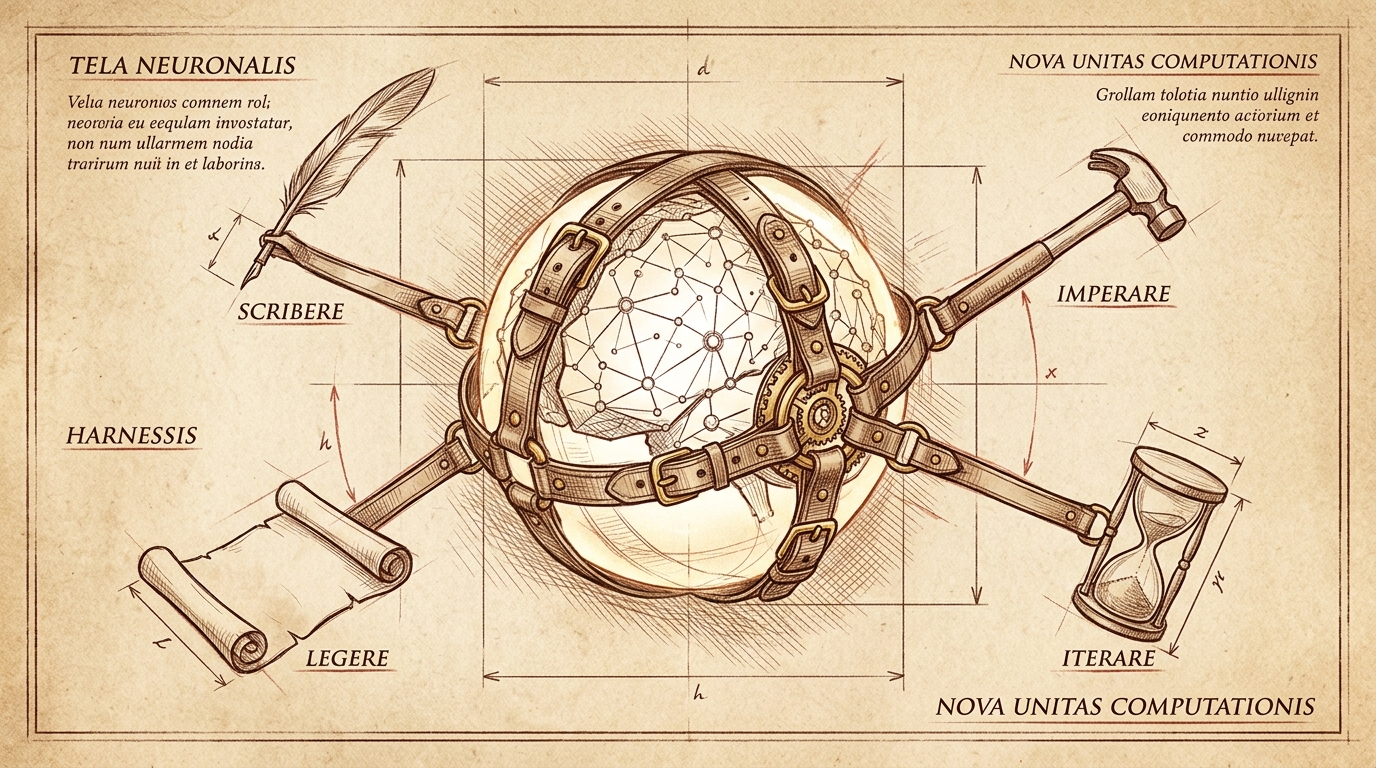
Neural harness
I'm on my second Claude Max plan. Are we going to go for three? Tokens are the bill for running a new native unit of computing. The harness is to neural nets what the compiler is to source code.
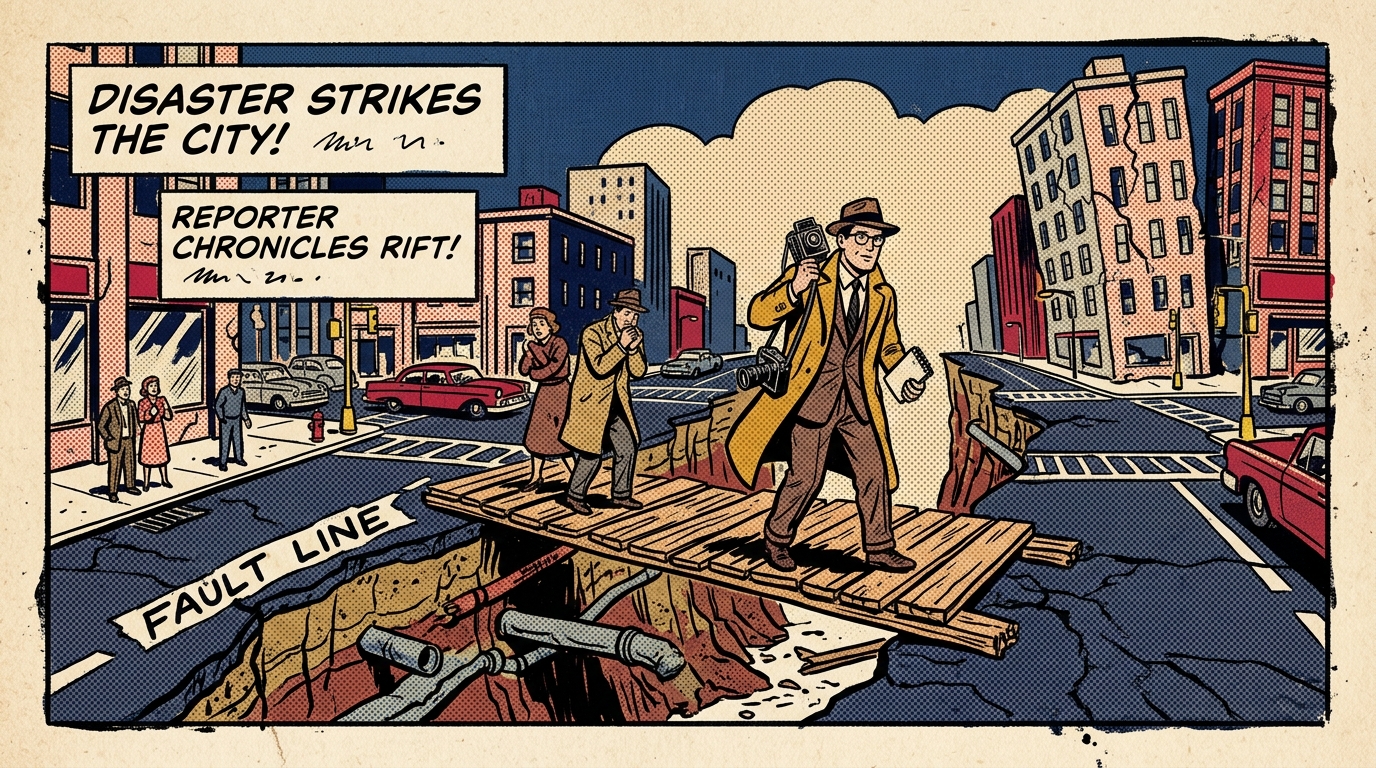
The Miami Report — two days at AI Engineer Miami
Conference update from AI Engineer Miami, April 2026. Day One was patterns breaking; Day Two was three populations — people, companies, and agents — learning agency at the same moment. Published as a full bound edition.
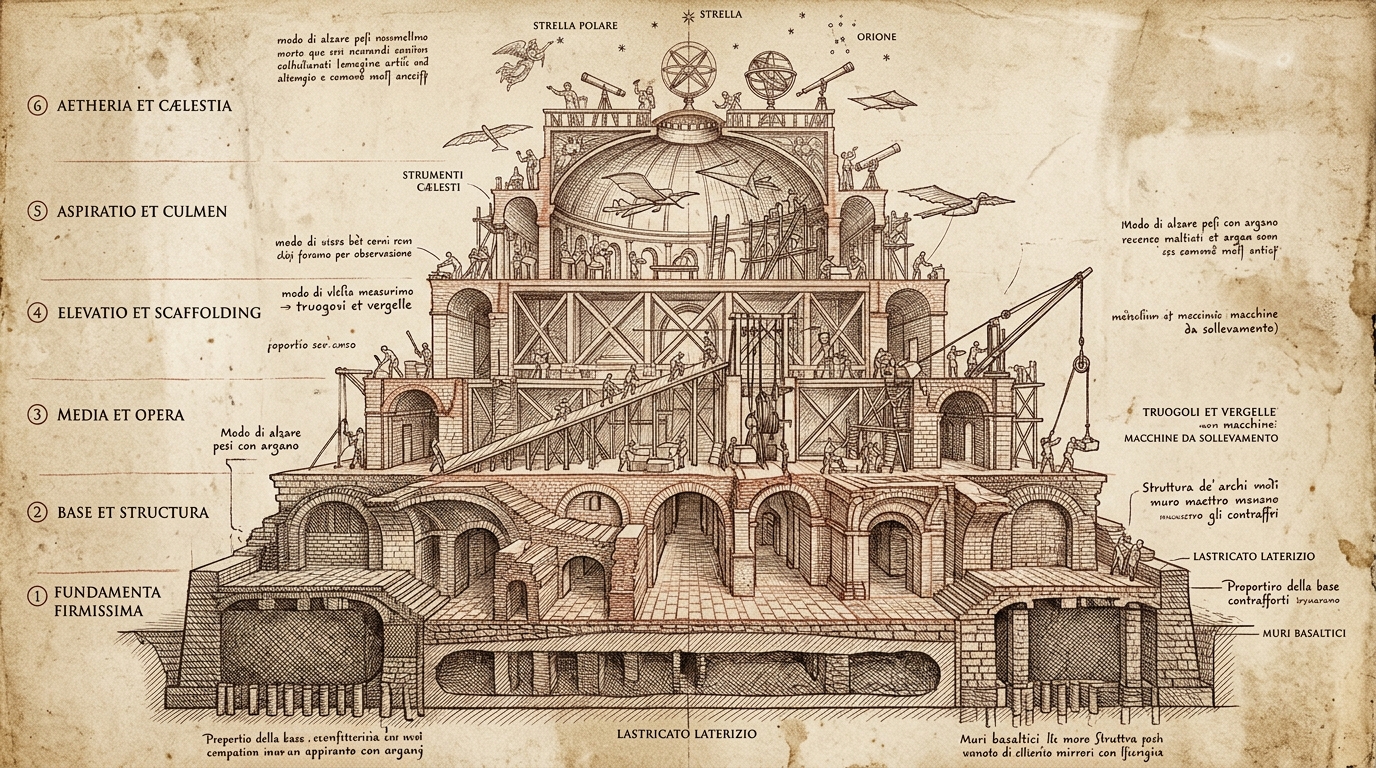
Laddering up from chatboxes to autonomy
Most companies want to go from scattered ChatGPT use directly to agents and autonomy. The middle layers — the ones where deployments either become real or die — get skipped in the planning.
Building an Intelligent Organization
From AI pilots to production systems — how we help leadership move up the maturity curve with principal-led engagements.
Local Providers: Which Open Model Should You Actually Run?
We tested 7 model families across 3 local runtimes on a 64 GB Mac — 20 cells, 5 dimensions.