Blueprints
Drawing up the system — memory, MCP, structured output: the quarter the chat window stopped being the product.
The largest issue of the run, and the quarter the experiments became architecture. MCP — a three-month-old spec — turns our services into things a model composes unprompted; a file of project rules gives the agent memory; schemas make output a data contract; image generation lands on Apple Silicon. Claude Code arrives in March and the first framework essays follow: How I Classify Models, The New Touch Interface, Moral Vibe Check. Six months earlier an agent was a LangChain loop we wired by hand — now the loop ships as a product, and the design question moves up a level: not can the model do it, but where do memory, tools, and structure live.
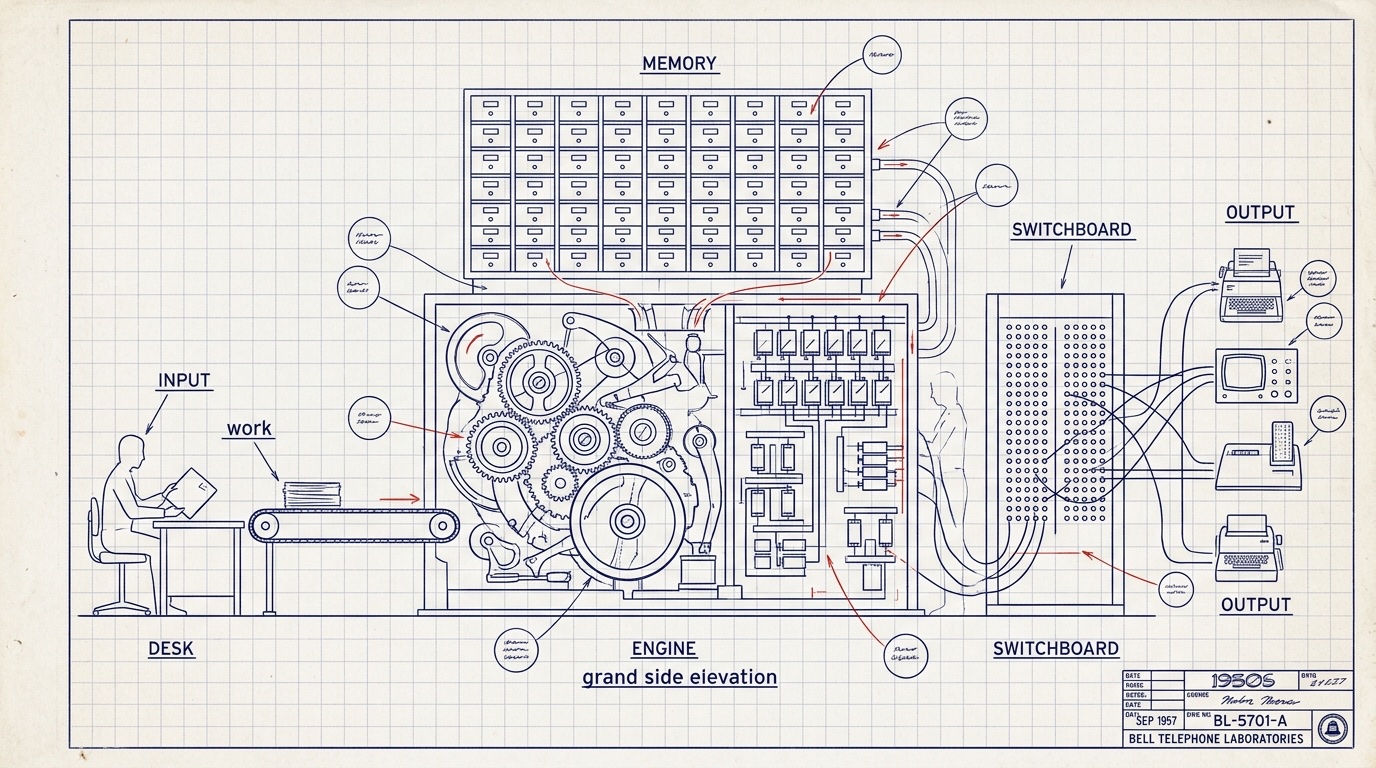
The Quarterly Retrospective
The quarter we stopped poking at chatboxes and started drawing systems. Three primitives emerged inside the same ninety days: tools a model can call, memory it can keep, and schemas that turn its output into data. Wire them together and the chat window becomes an operating console — Exposing Services with MCP and Coding with a Memory System are the working drawings.
Twenty-six pieces made this the densest issue of the run, and the caution notes mattered as much as the wiring diagrams. Moral Vibe Check caught fluent nonsense wearing a lab coat, and How I Classify Models gave us the sorting we still use: small, foundation, educated.

Moral Vibe Check
Technical correctness and meaningful insight: well-formatted, detailed AI responses can mask a fundamental lack of understanding—a "raving lunatic" hidden behind impressive form. Maybe P-doom is less about malice and more of making us intellectually poorer by substituting form for substance, facts for understanding, and technical accuracy for wisdom.
How I classify models
Small models are smart yet limited in knowledge; foundation models possess both deep understanding and extensive knowledge but lack structured problem-solving approaches. Educated models like DeepResearch excel by combining learned reasoning processes with large memory capacities, enabling them to adapt effectively to complex tasks while handling vast information instantaneously.
AI for research: DeepResearch a clear winner
Asking the tough questions: DeepResearch excels in depth and comprehensiveness, while o1, Sonnet 3.5, and DeepSeek with DeepThought provide comparable results for complex inquiries. Smaller models like phi4 and llama3.2 are deemed inadequate for intricate topics.
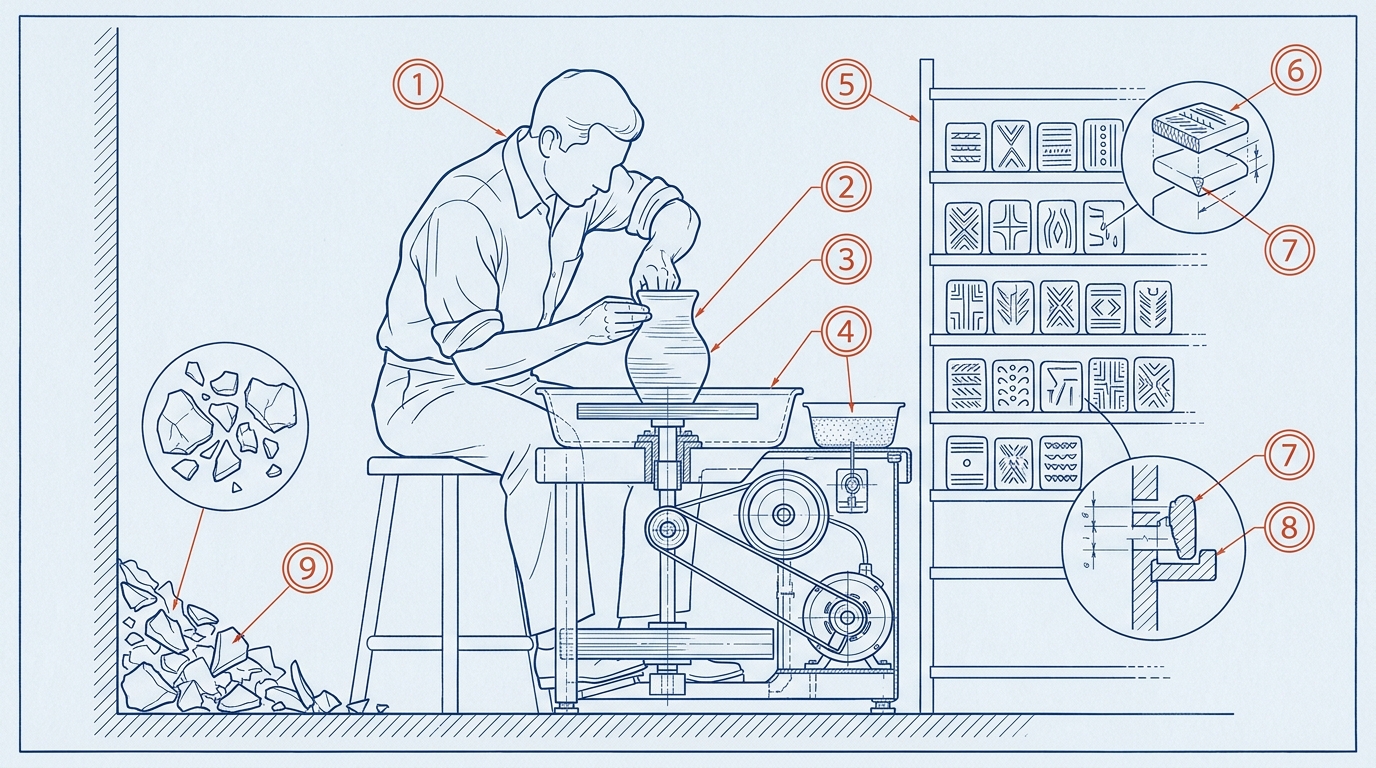
Coding with a memory system
Agentic YOLO with Warp, Cursor, and Claude
What happens when you let AI help you think through and build your ideas, with minimal supervision and maximum trust? What does it mean to be a programmer? Are we closer or further from thought-stuff?

Claude to write midjourney prompts
Transform your written content into compelling visual concepts by using Claude as an intelligent intermediary for Midjourney prompt creation. See how combining prompt libraries with AI analysis can help you explore multiple creative directions before settling on the perfect visual representation.
Schema-Driven AI: Better User Experiences with Structured Output
Transforms chatting from simple text generators into powerful data processing engines, enabling extraction of organized information from PDFs, audio files, and more. Here are some practical techniques for building, including audio analysis, pdf data extraction and conversation state management, showcasing how constraint-driven outputs can power rich user experiences.
Make it run tests
Image Gen on Apple Silicon
We've got the apple silicon, lets download some models and make some pictures
Adding Memory to Cursor
Transform your Cursor IDE into a more intelligent assistant by implementing a sophisticated memory system adapted from cline-memory-bank. This enhanced version includes TDD principles and integrates seamlessly with your prompt library, allowing your AI assistant to maintain context and remember important details across multiple coding sessions.
Planning, brainstorming and idea development
Transform your rough concepts into detailed project specifications with this powerful prompting technique that guides you through an in-depth development process. By asking just one thoughtful question at a time, AI helps you create comprehensive, developer-ready plans that cover every essential detail.
Make it easy to load and update your prompt library
Never lose track of your valuable AI prompts again with this elegant solution for maintaining a personal prompt library. The system provides simple commands to list, load, and save prompts, making it effortless to reuse and iterate on your most effective conversation starters.
Superwhisper for input
Imagine talking to your computer and having it type for you—Superwhisper makes it real. Check out how this tool speeds up input and even lets you tweak the output.
Talking to the models in the car
Discover how voice-activated assistants like Google and ChatGPT can transform your car rides into interactive conversations. Learn tips like using search and prompts to dive deeper into news or ideas while on the go.
Extracting requirements
Need to understand all the requirements hidden in a codebase? This technique shows how to use LLMs to compile comprehensive specifications from repository analysis for immediate development use.
Exposing Services with MCP
Model Context Protocol bridges the gap between AI models and your applications. Learn how defining simple tools with descriptions and parameters lets Claude intelligently combine services without explicit instructions.
Write git-commit-messages
Learn how to automate Git commit message generation with this simple but powerful prompt for Claude. The template enforces conventional commit format with appropriate type prefixes and detailed descriptions, making your repository history more professional and useful.
Making Meta Data
Generating metadata doesn't have to be a manual process when you can leverage AI prompts to produce multiple options quickly. Discover how to implement command-line tools that streamline metadata creation while maintaining your role as the final decision-maker.
Fetch and Brave Search in Claude Desktop
Copy a podcast into notebookllm
Using repomix to give llm full context (original)
The post focuses on how to give LLMs full visibility into a codebase to improve their understanding and responses.
Understanding a code base
Explore three complementary approaches to rapidly comprehend any codebase using the latest AI assistants and developer tools. Follow along with practical examples showing how to extract key information about memory systems and other complex functionality with minimal effort.

Tools for thinking. Everyday AI.
From building nuclear fusors to probing Vatican AI doctrine, this exploration reveals how AI tools are reshaping our daily intellectual work in surprisingly practical ways. Through examples of interfacing with databases, analyzing legal documents, and diving into deep research rabbit holes, we see how AI assistants are becoming intuitive research companions that expand our ability to quickly understand and synthesize complex information.
Learning on the go with NotebookLM
By utilizing NotebookLM, an AI model capable of generating audio summaries and interactive conversations, you can create customized podcasts on-the-go. You can also join the conversation.

Clipboards are eating the world
The untold story of how your computer's clipboard sees itself as the essential bridge between humans and AI tools in the creative process. Through its eyes, we witness the journey of how digital projects come together through countless transfers between different AI services.
The New Touch Interface
The real killer apps of smartphones weren't the early games but became things like group chats and video calls that fundamentally changed how we communicate. Similarly, while we're currently amazed by AI's capabilities, we're still discovering how these tools will meaningfully integrate into our lives.