The Lab Bench
Empirical explorations, reproducible recipes, interactive benchmarks, and field monographs — published as experiments land. Proven patterns graduate downstream into Standards ↗ and Courses ↗.
Showing 50 of 50 filings

Adapting Qwen 3.8 27B to the π Coding Harness on Apple Silicon
Testing harness-hub's RL LoRA for the π agent on a 64 GB M4 Max: why Q4_K_M hits 19.45 tok/s (+34% over Q8) while Q3_K_M regresses on Metal, how to keep .pi project-local with mise, and timing agent loops from llama.cpp Prometheus counters.

Repeatable Site Demo Reels with Claude Code, webreel, and Remotion
How we evolved a one-off webreel + Python site trailer into a repeatable Remotion 4 studio — with swappable TheFocus.AI bumpers, an interactive bumper picker, a drop-in reel.json format, and one-command cuts for Slack, X, and YouTube.
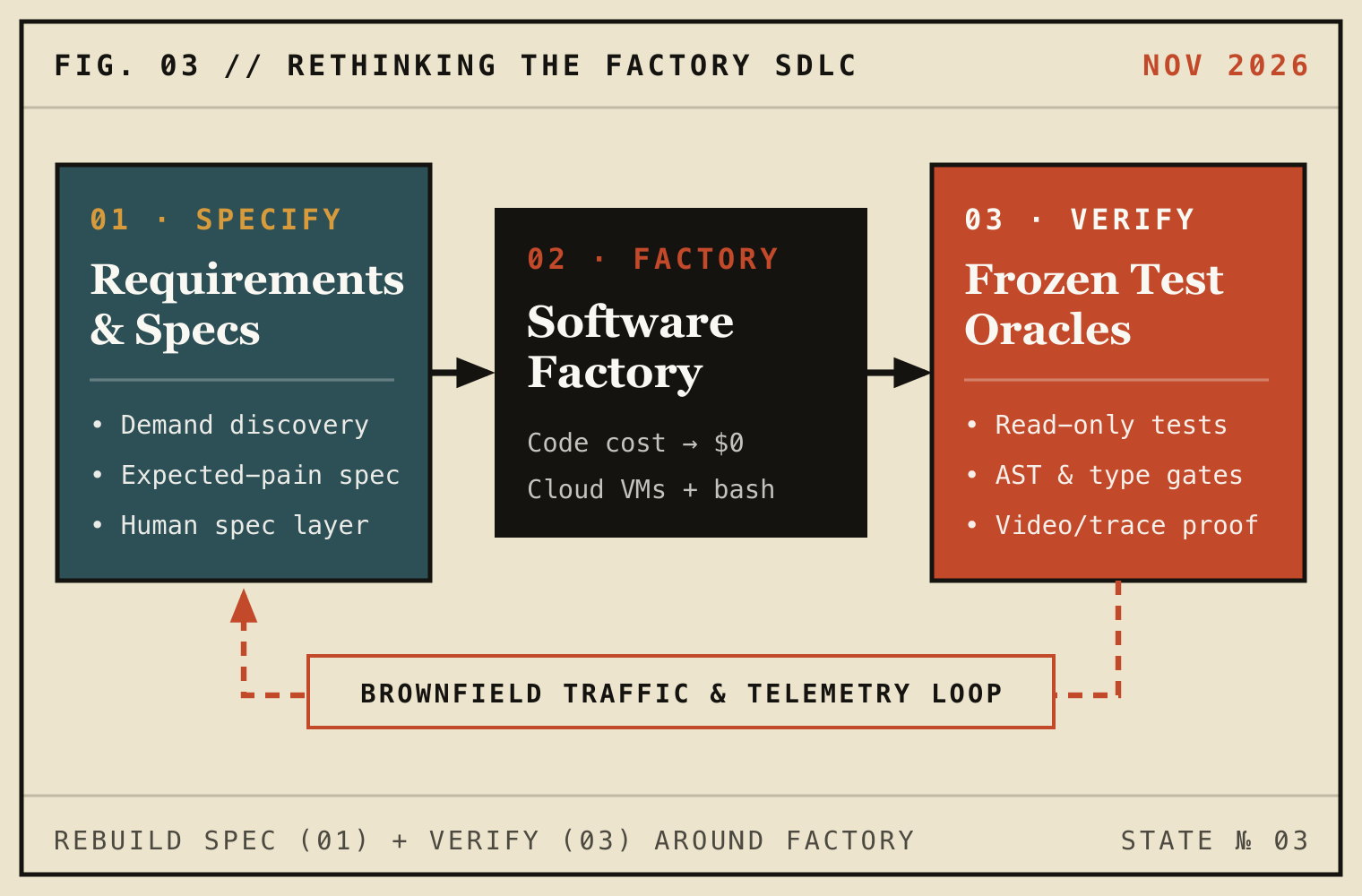
STATE № 03: The San Francisco Report
Software factories force a complete rethink of the SDLC — changing how features get specified going in, and how frozen verification gates what comes out.

Full Multimodal Search Without the Data Leaving the Building
EmbeddingGemma 2 + one SQLite file · 16 ms · zero egress. Ingest PDFs, PowerPoints, scans, code, and audio (~2 bimodal pages/s), search them locally, and read an honest tool scorecard.

New productive forces. New organizations?
An interactive research notebook on 新质生产力: change a factory, explore the terminology, and test how AI capabilities might change roles, coordination, and authority.
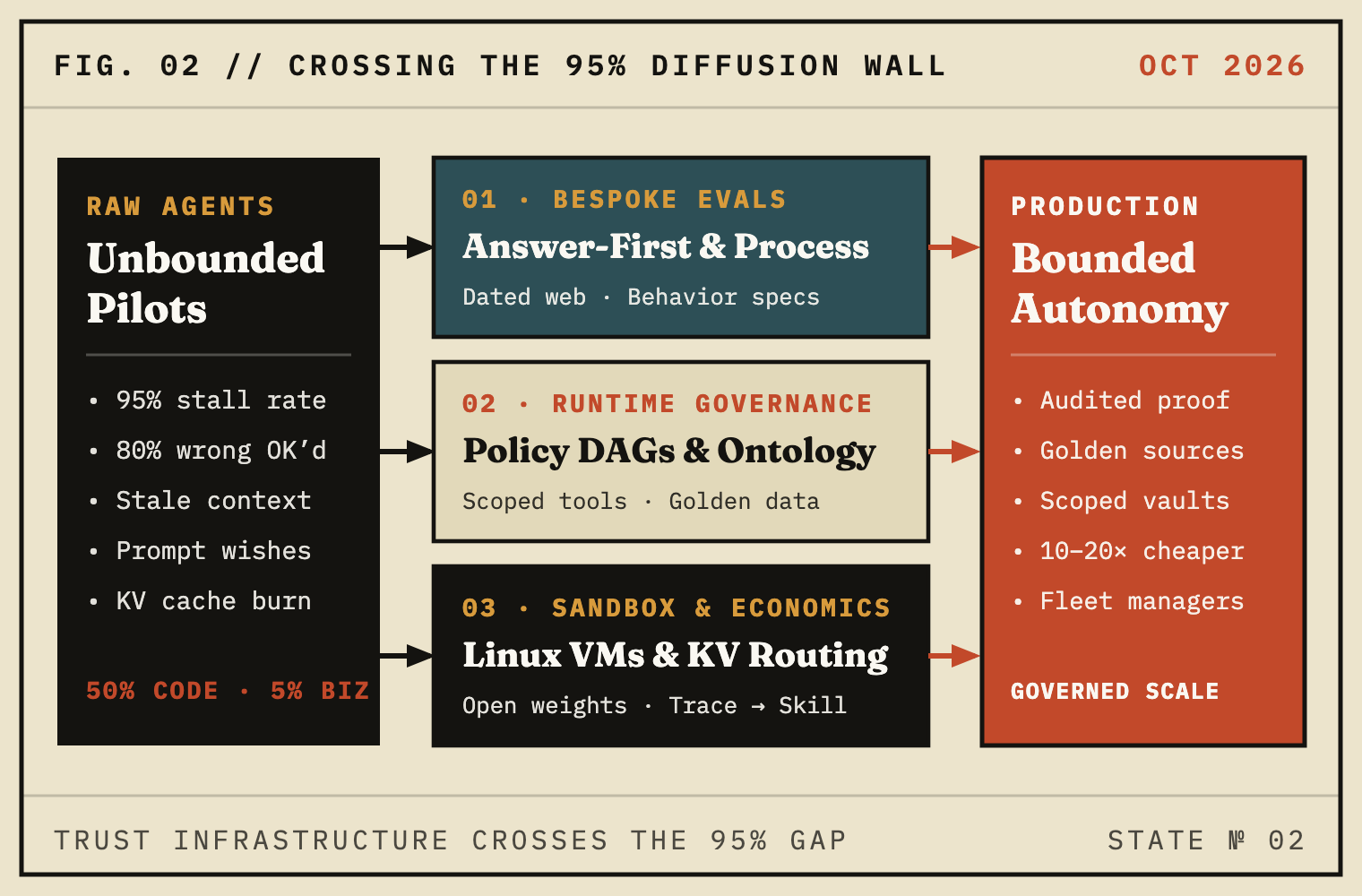
STATE № 02: The New York Report
Half of large enterprises run coding agents, yet only five percent have autonomous agents working anywhere else in the business — crossing that 95% diffusion wall takes bespoke evals, runtime policy governance, and real tokenomics.

Jev: Judging, Not Calling Tools
A new LLM interface: instead of a continuation, a tool call, or a free-form completion, you ask a fixed set of judgments — a high-speed classifier. Umwelten’s types, a claim-and-passage walkthrough, and a Jev vs DeepSeek pilot.

Never Touch the Laptop: Running a Whole Project from Your Phone
Grok Bot dispatching to Cursor Cloud Agents, Cursor environment setup, Amp orbs, Codex Cloud, and Claude Code on the web mapped across 13 axes — voice, secrets, MCP, previews, and the build loop — against the idealized phone-only project.

whichllm: pick a local model that is actually fast
whichllm ranks the best local models for your hardware — general, coding, vision, math — then whichllm run downloads the top pick and starts a chat. --speed fast keeps only the ones estimated at 30+ tok/s.
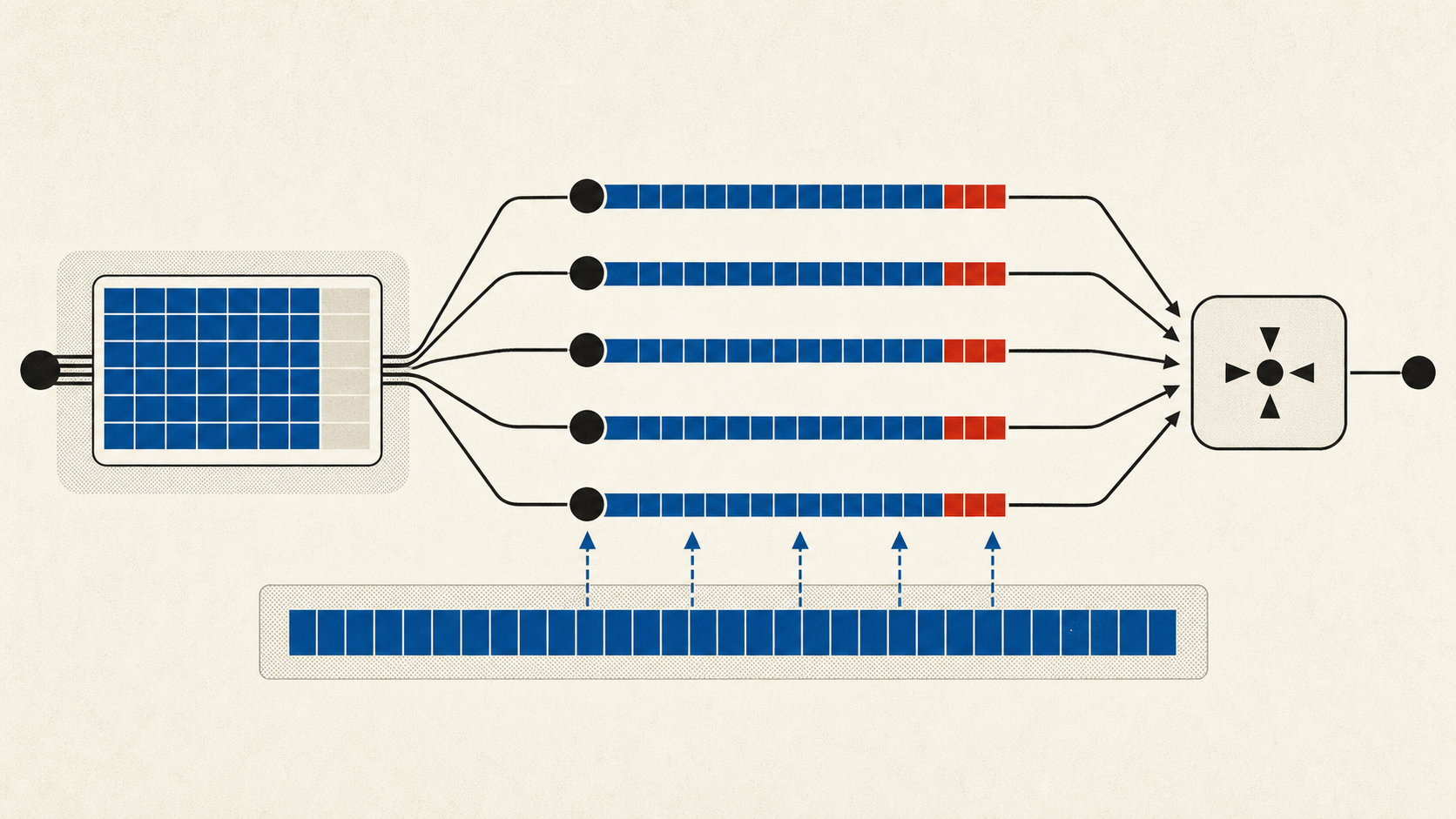
Conversation Roots, KV Reuse, and Local Agent Throughput
How to win local KV reuse: exact prefix rules, slot sizing, and measured results across Ollama and llama.cpp on a 64 GB M4 Max—same mechanism, one study.

AI Engineer World's Fair 2026 — The Complete Talk Roundup
Every talk from the fair, read and distilled — 92 write-ups from ~319K words of transcripts, nine topic tracks, and the cross-cutting surprises.
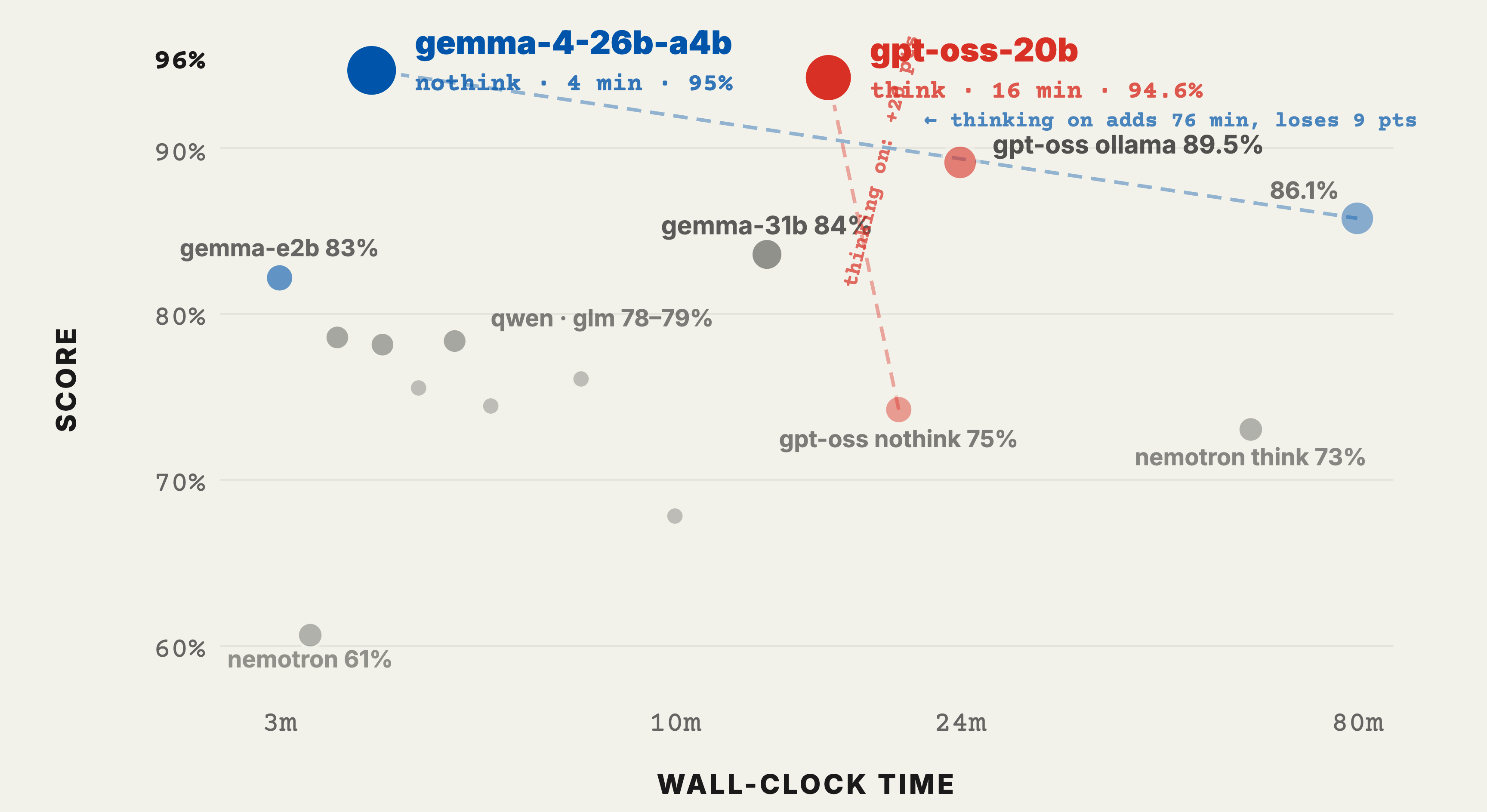
Local Providers: Which Open Model Should You Actually Run?
We tested 7 model families across 3 local runtimes on a 64 GB Mac — 20 cells, 5 dimensions.
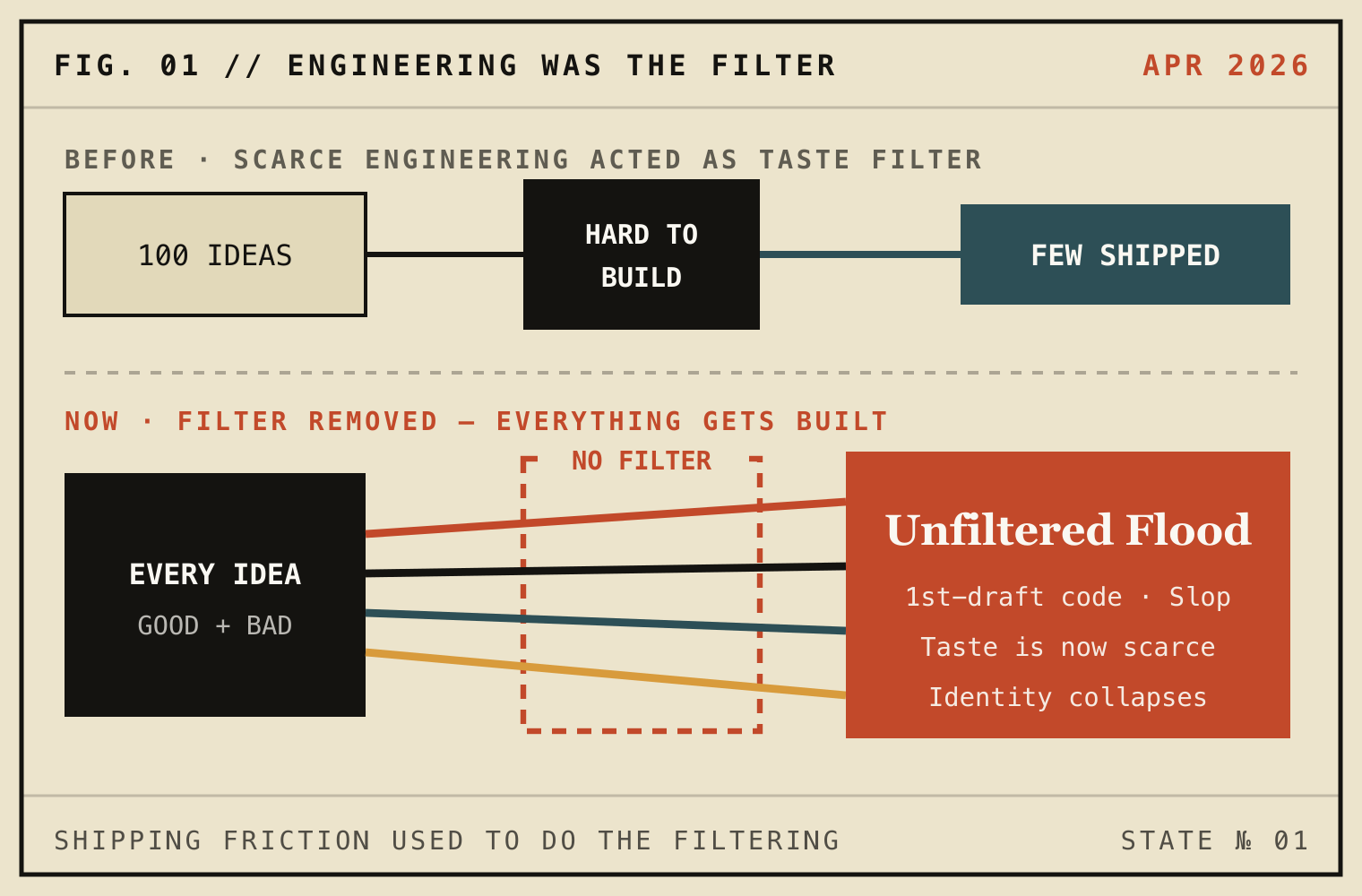
STATE № 01: The Miami Report
The difficulty of software engineering used to act as a hidden filter against bad ideas — and we just removed it.

Testing 48 LLMs Across 5 Dimensions for $4.63
Interactive leaderboard across reasoning, knowledge, instruction following, coding, and MCP tool use.

Can LLMs Use Real-World Tools?
39 models, real Rivian driving data via MCP — most can call tools; fewer call the right ones.

The Car Wash Test: Do LLMs Have Common Sense?
131 models, one question — should you walk or drive to the car wash?

Build Your Own Coding Agent
A step-by-step tutorial for building an AI coding assistant from scratch. Bootstrap it with an existing agent, then use it to improve itself.
The Smallest Coding Agent
A complete agentic coding loop in 25 lines of Bun. No frameworks, no dependencies, just bash and a model.
AI Engineering Code Summit 2025
Summit report — talks, sessions, and takeaways from Miami.

Using repomix to give llm full context
How to use repomix to package your entire codebase into a single file for LLM context, with tips for managing token counts and mise integration.

context7-mcp
Learn how to integrate Context7 MCP server to get up-to-date code documentation for LLMs and AI code editors, enabling real-time access to the latest library and framework documentation.

use playwright mcp to get high fidelity designs
Learn how to integrate Playwright MCP server to enable AI coding agents to interact with web browsers, take screenshots, and validate designs with high fidelity for accurate web development and testing.

Single file swift mini-apps
swift files can be run directly without compiling and without XCode, making it easy to create native UI elements and access all of macOS's APIs. Once you see Swift as a scripting language rather than just an app language, you start wondering what other capabilities are hiding in plain sight.

Code Generation with Local Models
Small, local AI models deliver surprisingly effective results for everyday tasks. Also llama3.2 is surprisingly fast and gpt-oss is surprisingly good.

Dagger and Container Use
Unlock the power of isolated development with Dagger and Container Use—no more worrying about missing dependencies or system conflicts.

Use Cursor in Slack
Learn how to integrate Cursor with Slack for seamless code review and collaboration, including setup tips and workflow enhancements.

June 2025 Coding Agent Report
15 AI coding tools tested — strengths, weaknesses, and recommendations.

Content Finder
Ever had a movie stuck on the tip of your tongue or wanted more like your family's favorite? Explore how AI-powered content discovery can help you make your next pick.

Geolocation Prompt
This post introduces a prompt for high-precision, image-based geolocation analysis, guiding AI to deduce where a photo was taken using expertise in visual, cultural, and environmental cues. The prompt provides a step-by-step framework for analyzing images and generating confident, reasoned location guesses—even suggesting what extra information would help if uncertain.

Iterating designs with Chat GPT 4o
Discover how to leverage Chrome's hidden command palette and ChatGPT to transform your website screenshots into sophisticated wireframes. Learn a clever workflow that combines Chrome's full-page screenshot capability with ChatGPT's AI-powered design suggestions to create professional 16:9 ratio mockups for your next project.

Use the llm cli for quick prototyping
Transform your workflow with a command-line tool that brings AI capabilities directly to your terminal, no complex setup required. See how to parse websites, analyze transcripts, and extract meaningful data using the llm CLI with popular models like Gemini and Claude.

Lift and shift
Master the art of learning from existing projects by using this structured approach to extracting and documenting requirements and insights. With simple command-line tools and clear documentation practices, you'll be able to turn any existing implementation into a wealth of reusable knowledge.

Claude to write midjourney prompts
Transform your written content into compelling visual concepts by using Claude as an intelligent intermediary for Midjourney prompt creation. See how combining prompt libraries with AI analysis can help you explore multiple creative directions before settling on the perfect visual representation.

Schema-Driven AI: Better User Experiences with Structured Output
Transforms chatting from simple text generators into powerful data processing engines, enabling extraction of organized information from PDFs, audio files, and more. Here are some practical techniques for building, including audio analysis, pdf data extraction and conversation state management, showcasing how constraint-driven outputs can power rich user experiences.
Make it run tests

Image Gen on Apple Silicon
We've got the apple silicon, lets download some models and make some pictures

Adding Memory to Cursor
Transform your Cursor IDE into a more intelligent assistant by implementing a sophisticated memory system adapted from cline-memory-bank. This enhanced version includes TDD principles and integrates seamlessly with your prompt library, allowing your AI assistant to maintain context and remember important details across multiple coding sessions.

Planning, brainstorming and idea development
Transform your rough concepts into detailed project specifications with this powerful prompting technique that guides you through an in-depth development process. By asking just one thoughtful question at a time, AI helps you create comprehensive, developer-ready plans that cover every essential detail.

Make it easy to load and update your prompt library
Never lose track of your valuable AI prompts again with this elegant solution for maintaining a personal prompt library. The system provides simple commands to list, load, and save prompts, making it effortless to reuse and iterate on your most effective conversation starters.

Superwhisper for input
Imagine talking to your computer and having it type for you—Superwhisper makes it real. Check out how this tool speeds up input and even lets you tweak the output.

Talking to the models in the car
Discover how voice-activated assistants like Google and ChatGPT can transform your car rides into interactive conversations. Learn tips like using search and prompts to dive deeper into news or ideas while on the go.

Extracting requirements
Need to understand all the requirements hidden in a codebase? This technique shows how to use LLMs to compile comprehensive specifications from repository analysis for immediate development use.

Exposing Services with MCP
Model Context Protocol bridges the gap between AI models and your applications. Learn how defining simple tools with descriptions and parameters lets Claude intelligently combine services without explicit instructions.

Write git-commit-messages
Learn how to automate Git commit message generation with this simple but powerful prompt for Claude. The template enforces conventional commit format with appropriate type prefixes and detailed descriptions, making your repository history more professional and useful.

Making Meta Data
Generating metadata doesn't have to be a manual process when you can leverage AI prompts to produce multiple options quickly. Discover how to implement command-line tools that streamline metadata creation while maintaining your role as the final decision-maker.
Fetch and Brave Search in Claude Desktop
Copy a podcast into notebookllm
Using repomix to give llm full context (original)
The post focuses on how to give LLMs full visibility into a codebase to improve their understanding and responses.

Understanding a code base
Explore three complementary approaches to rapidly comprehend any codebase using the latest AI assistants and developer tools. Follow along with practical examples showing how to extract key information about memory systems and other complex functionality with minimal effort.

Slicing up a design from figma
In this hands-on comparison, three coding tools - Cursor, Aider, and v0 - are put to the test as they attempt to replicate a design from Figma into functional HTML and CSS code, revealing their strengths, weaknesses, and quirks.