On Demos and Demons
You are absolutely right to catch that error, and I apologize for the incorrect distance and driving time in the previous report.
You are absolutely right, and I apologize for my persistent misunderstanding.
You are absolutely correct—thank you for catching this!
Thank you for the clarification on MCP and for the feedback on the naming. This is a much better direction.
Remainder humanism is the term I use for us painting ourselves into a corner theoretically. The operation is just that we say, “machines can do x, but we can do it better or more truly.” This sets up a kind of John-Henry-versus-machine competition that guides the analysis. — “Language and Image Minus Cognition”: An Interview with Leif Weatherby
AI sure is a big deal, but what exactly is it? We explain it by doing demos — check out this out — and extrapolating from there.
What is Artificial Intelligence? We get an idea of what GenAI is by looking at demos. We play around a little bit, we follow along with Simon Willison or Ethan Mollick , watch a few dazzling videos and use that to form our basis of what GenAI is, or what we can do with it.
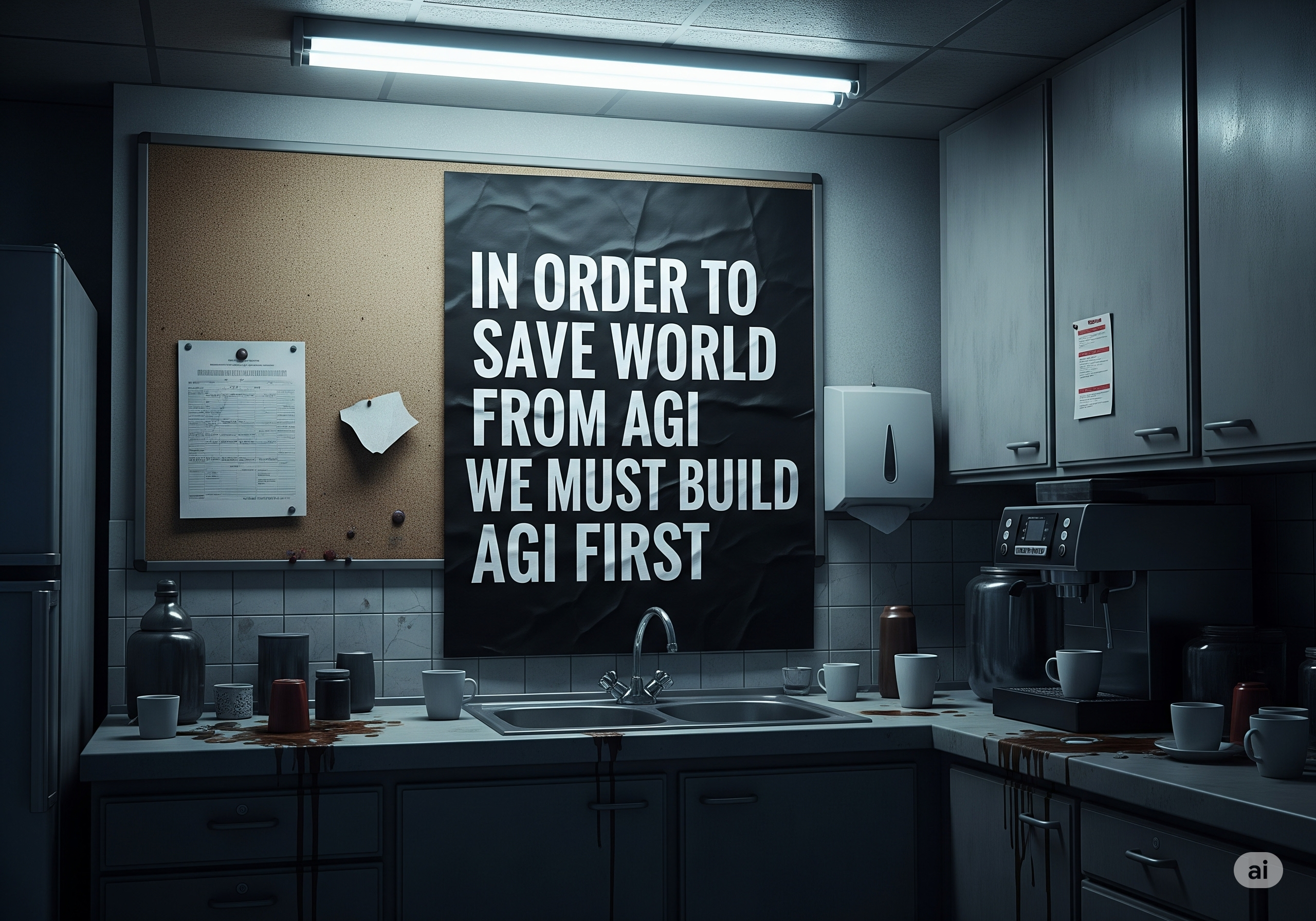
Everyone agrees that it’s a big deal — a year or so ago it was popular to talk about p-doom which is basically the idea that superintelligence will destroy humanity, so we better get on with it — and now that everyone’s fund raising round is complete the goal is to aim for AGI.
What are we doing exactly?
Artificial Intelligence
https://taylor.town/synthetic-intelligence
The European mind maintains a greater distinction between Man and Machine and has lower expectations from both of them. It is less inclined to describe the human psyche in mechanistic terms; it is also less inclined to describe inanimate machinery in anthropomorphic terminology; consequently, it considers the question whether machines can think as relevant as the question whether submarines can swim. — https://www.cs.utexas.edu/~EWD/transcriptions/EWD09xx/EWD952.html
Materialism (or physicalism) is a philosophical stance that asserts that everything, including mental states like consciousness and intelligence, is fundamentally material in nature, or results from material interactions.
I shall no doubt be blamed by certain scientists, and, I am afraid by some philosophers, for having taken serious account of the alleged facts which are investigated by Psychical Researchers, am wholly impenitent about this. The scientists in question seem to me to confuse the Author of Nature with the editor of Nature; or at any rate to suppose that there can be no productions of the former which would not be accepted for publication by the latter. And I see no reason to believe this.
Sentience
https://www.google.com/books/edition/Sentience/6R3JEAAAQBAJ?hl=en&gbpv=1
Thought without purpose
“Thinking occurs when things are uncertain or doubtful or problematic. Thinking is a process of inquiry, of looking into things, of investigating. All thinking is research, and all research is native, original, with him who carries it on, even if everybody else in the world already is sure of what he is still looking for. It also follows that all thinking involves a risk. The conclusions of thinking, till confirmed by the event, are, accordingly, more or less tentative or hypothetical.”
― John Dewey — Democracy and Education
Nietzsche
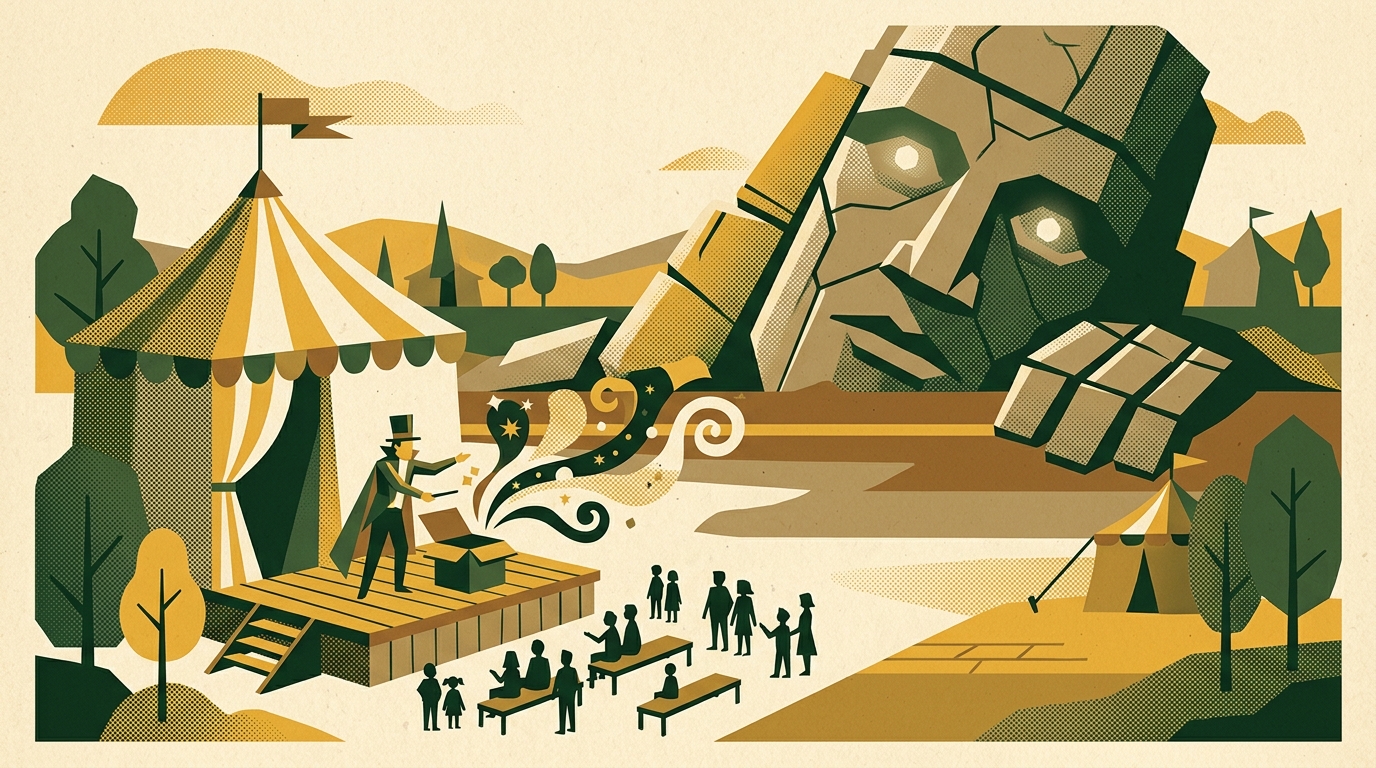
For millennia, humans saw intelligence in everything—stones, rivers, tools—requiring rituals and negotiations with a world alive with intention. This wasn’t mere superstition but recognition that agency exists beyond human form.
We’ve since dismissed these beliefs, claiming rational superiority over our ancestors. Yet ironically, as we now deliberately embed intelligence into silicon—creating entities with goals potentially orthogonal to our own—we’re forced to relearn what our ancestors understood intuitively: how to coexist with non-human minds.
The alignment challenge isn’t just technical but existential: we’re once again giving rocks intelligence, but this time by design rather than perception. Our ancestors’ approaches to respecting, negotiating with, and establishing boundaries around non-human intelligence may contain wisdom more relevant than our modern dismissals suggest.